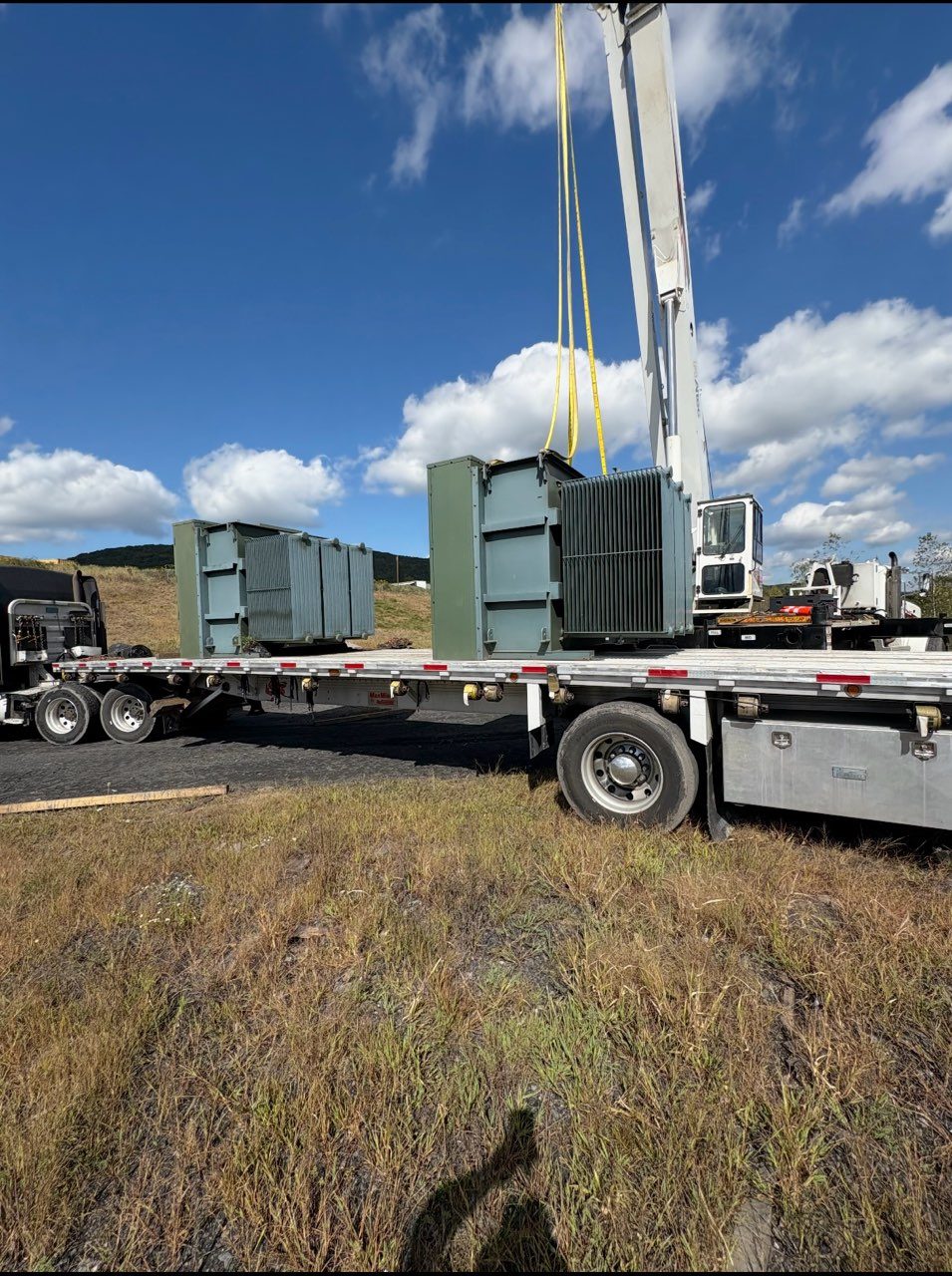
Heavy electrical equipment may require specialized rigging, loading and freight planning. Its dimensions, weight and location influence the practical options for moving it.
What matters when you sell
Give the buyer the manufacturer's transport weight and dimensions if available, and explain obstructions, crane access and loading conditions. Coordinate isolation, removal and lifting with qualified personnel, and clarify which party is responsible for each step before arranging transport.
Practical considerations for this equipment
A useful transport plan separates several responsibilities: confirming the site's release, preparing the equipment, moving it to a loading position, loading it and carrying it to its destination. We cover freight on accepted equipment; that commitment does not by itself establish who supplies site-specific rigging, environmental work or removal services. Ask the buyer and site contractor to document those boundaries before scheduling. Existing drawings may give both operating and shipping dimensions, which can differ when a transformer has separately transported accessories. Provide route restrictions such as door openings, floor limits or vehicle appointment requirements if known. Qualified professionals determine isolation, safe handling and any environmental controls; no seller should attempt to move hazardous or energized equipment.
Start a quote for rigging and freight
To discuss this seller’s planning question, send the information you already have, including transport weight and dimensions; rigging points and access route; loading equipment and site restrictions where relevant. Describe the equipment location, quantity and known condition. We review the individual items, discuss a possible cash offer and cover freight for accepted equipment. Qualified personnel must determine safe electrical and environmental release.