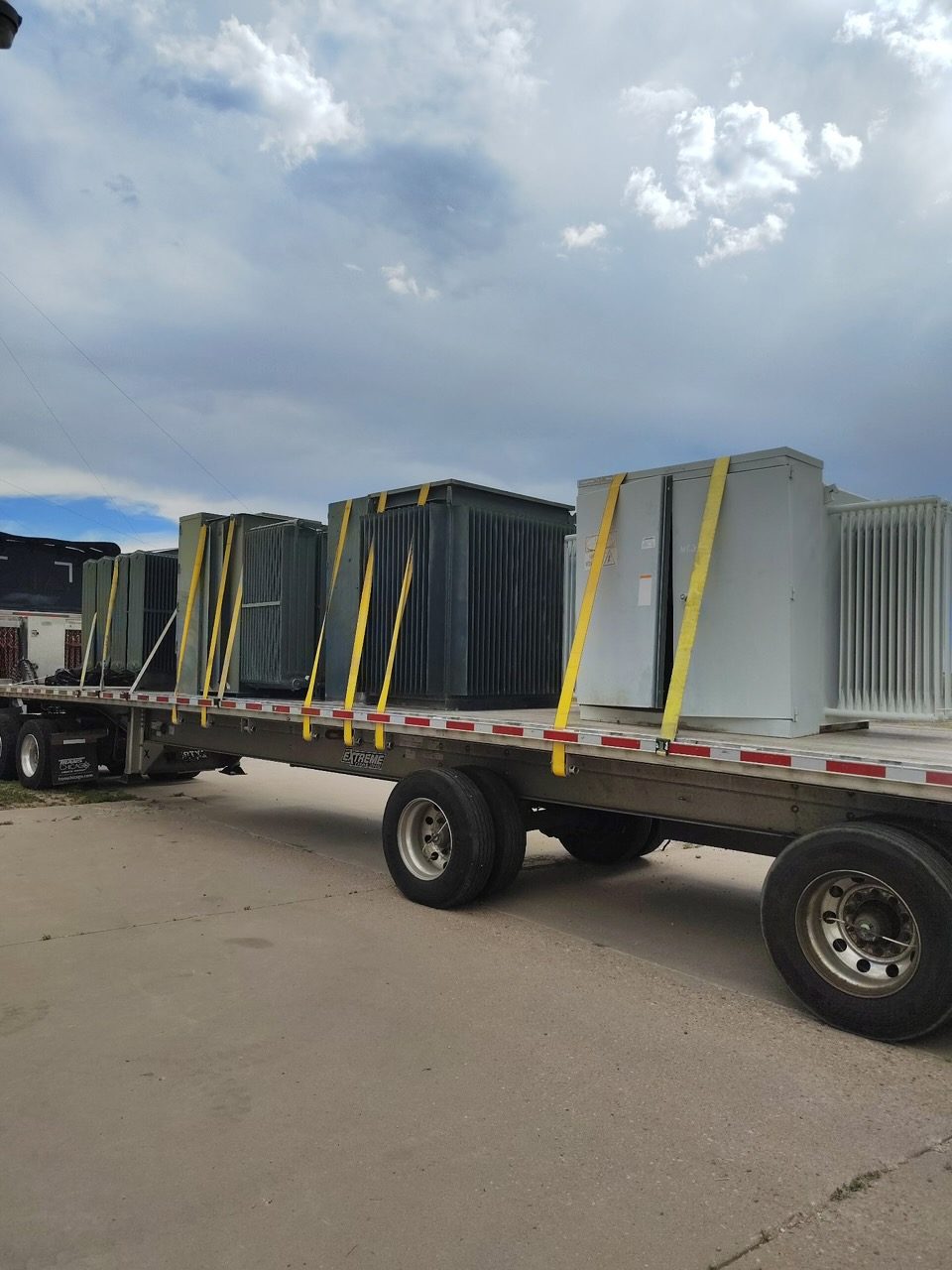
Utilities and grid operators use transformers, regulators and switchgear to distribute and control electrical power. Surplus equipment may range from individual distribution units to substation assets.
What matters when you sell
Prepare an equipment list with nameplates, ratings, known condition and available test records for each item. A buyer also needs ownership and release status, fluid documentation where applicable, and the site and removal schedule.
Practical considerations for this equipment
Grid projects often release assets in stages: a replacement may be installed before the retired equipment is formally transferred out of the utility's inventory. Identify the person or department authorized to sell each asset and distinguish an anticipated retirement date from the date the buyer can collect it. Existing asset numbers can connect a transformer, regulator or switchgear section with the correct maintenance and environmental records, especially in a yard of similar units. If equipment is distributed among multiple substations or storage yards, give a location and availability window for each group. Ask which auxiliary cabinets, spare parts or station-owned connections are excluded. Qualified utility personnel and contractors establish isolation and site safety; an appraisal does not authorize access.
Start a quote for utilities and grid
To discuss this facility or industry, send the information you already have, including asset list and individual nameplates; electrical and maintenance test records; fluid and pcb records if applicable where relevant. Describe the equipment location, quantity and known condition. We review the individual items, discuss a possible cash offer and cover freight for accepted equipment. Qualified personnel must determine safe electrical and environmental release.