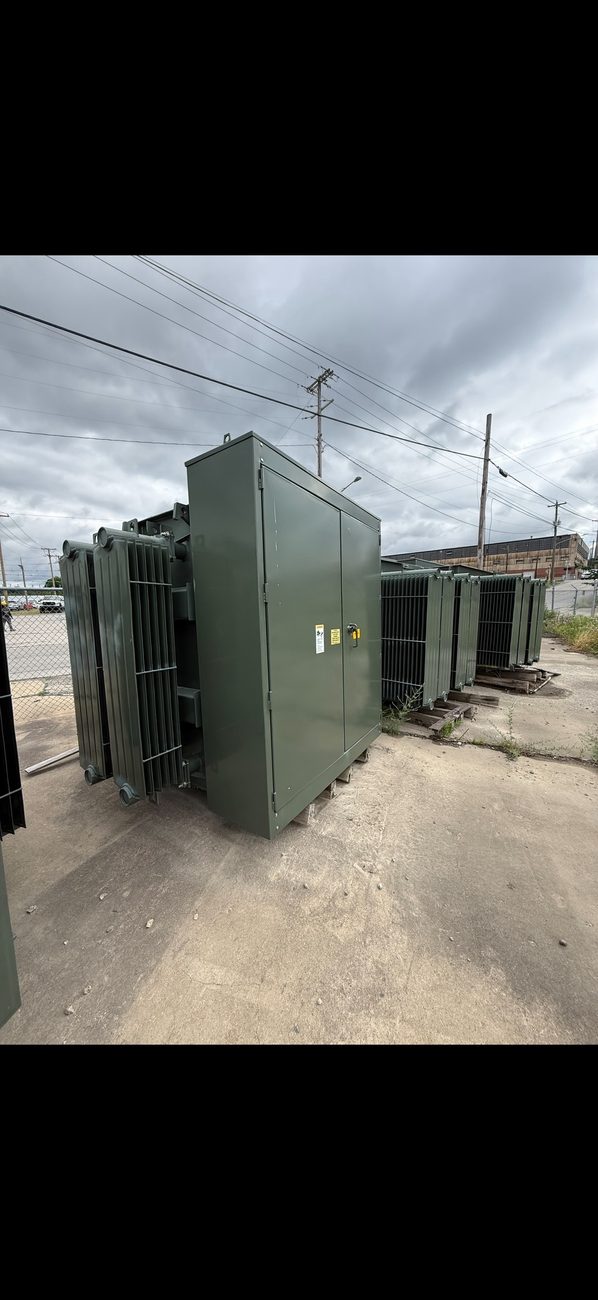
Isolation transformers provide electrical separation between input and output windings. They may also change voltage and are used in applications ranging from distribution to equipment power supplies.
What matters when you sell
Share the nameplate, winding diagram and any information about shielding or special duty. Note enclosure condition and available testing so a buyer can distinguish the actual unit from an autotransformer or an unverified listing.
Practical considerations for this equipment
An isolation transformer may have a one-to-one voltage ratio or may also change voltage, so equal input and output numbers are not the whole specification. Existing documentation can reveal a separately shielded winding, neutral arrangement or application-specific noise requirement that matters to another user. Ask whether a separately supplied enclosure, monitoring device or input protection is included, and identify alterations made for the former application. If the unit was part of a medical, laboratory or industrial system, describe the documented application without claiming it meets a particular standard today. An original test certificate and any later service records can help a buyer assess the history; they do not replace an independent safety determination by qualified personnel.
Start a quote for isolation transformers
To discuss this equipment type, send the information you already have, including input and output voltage and kva; winding diagram or isolation marking; shielding and application details where relevant. Describe the equipment location, quantity and known condition. We review the individual items, discuss a possible cash offer and cover freight for accepted equipment. Qualified personnel must determine safe electrical and environmental release.