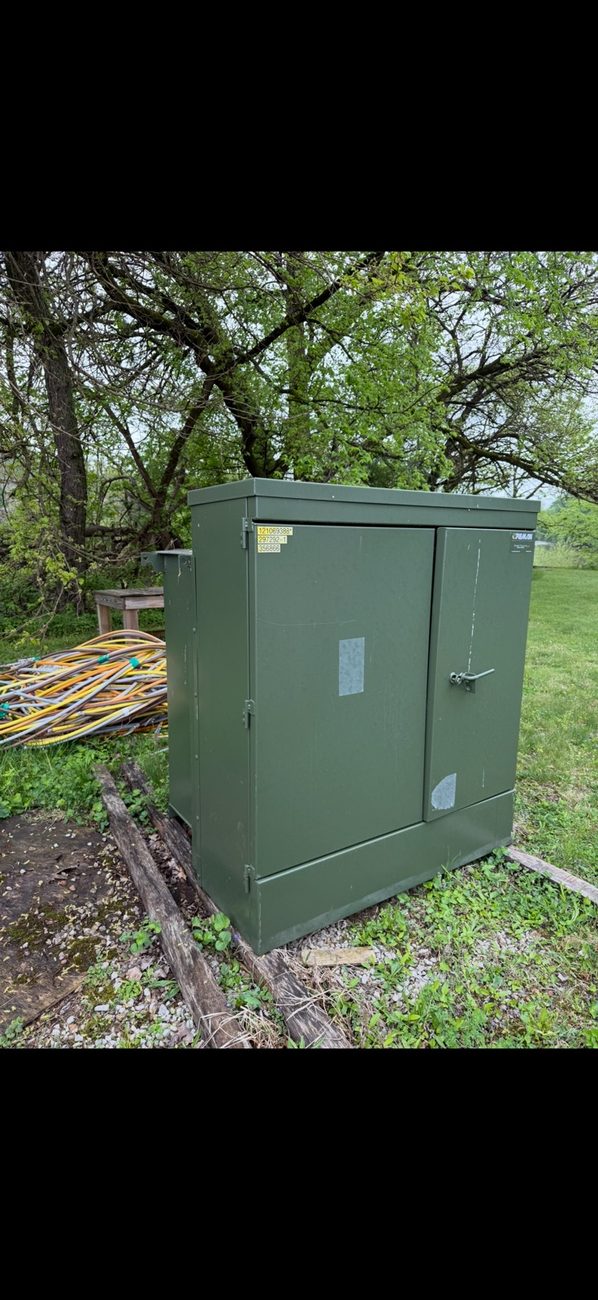
Oil-filled transformers use insulating oil to support electrical insulation and transfer heat. Oil type, equipment condition and maintenance records differ by unit, and PCB status cannot be inferred from appearance.
What matters when you sell
Share fluid type, available laboratory reports and any records of leaks or repairs with the buyer. Use qualified professionals for documented testing and, where required, licensed handlers for fluid and regulated materials; do not assume the buyer provides waste services.
Practical considerations for this equipment
Fluid documentation can serve several different purposes: a dielectric or dissolved-gas report is not automatically a PCB analysis, and a laboratory result should be matched to the correct unit. Ask whether the equipment has a record of topping up, filtration, fluid replacement or movement between locations, since those events can make an older report harder to interpret. A conservator, containment arrangement or attached cooling hardware may affect the scope and weight of an eventual move. Describe what is included and who controls the surrounding site infrastructure. We cover freight on accepted equipment, but the parties should agree separately on any required environmental work, preparation and site-specific rigging. Qualified professionals determine testing and handling requirements.
Start a quote for oil-filled transformers
To discuss this equipment type, send the information you already have, including nameplate ratings and fluid type; documented oil and pcb test results; leak or repair history where relevant. Describe the equipment location, quantity and known condition. We review the individual items, discuss a possible cash offer and cover freight for accepted equipment. Qualified personnel must determine safe electrical and environmental release.