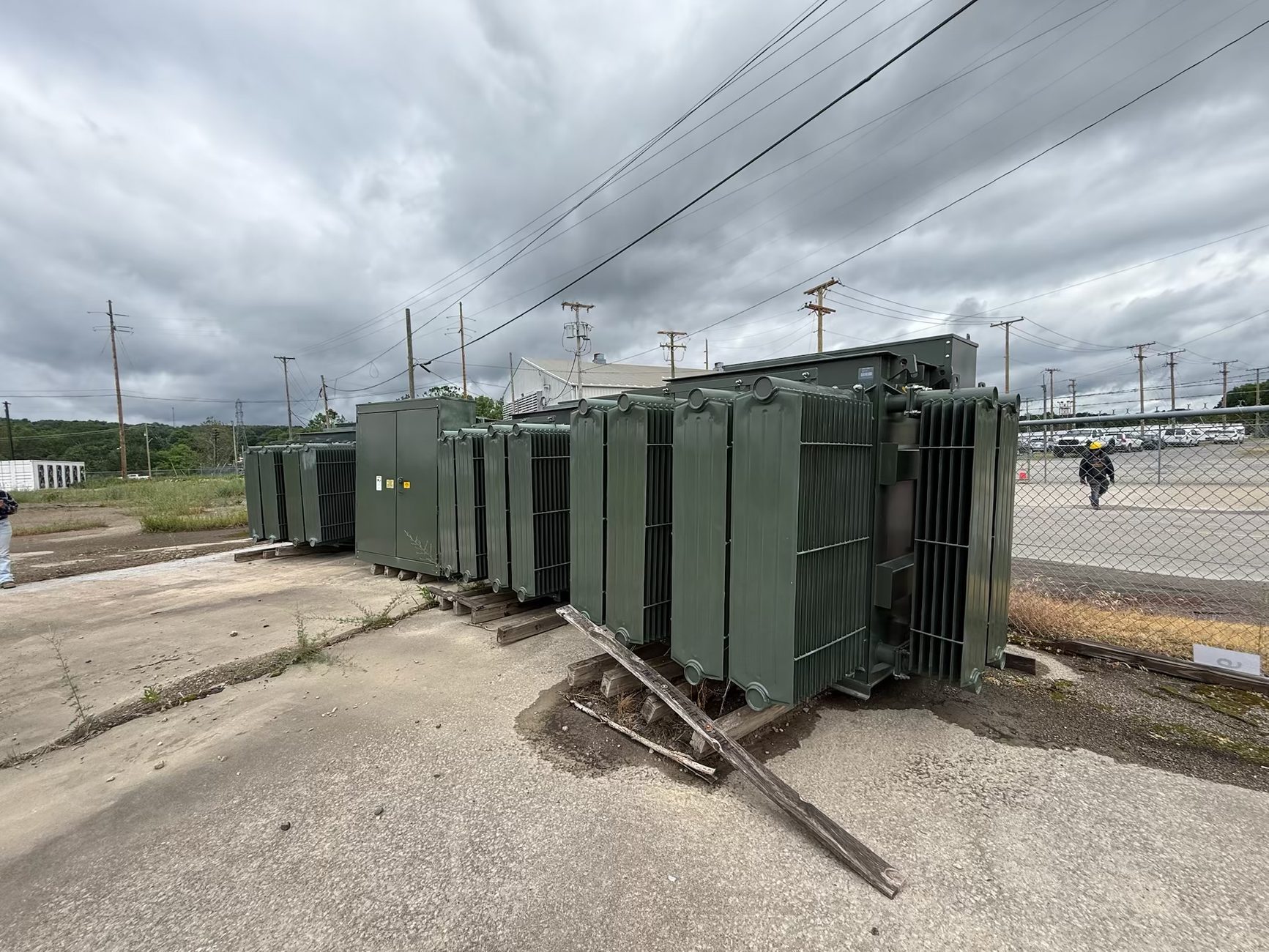
A step-up transformer raises AC voltage, while a step-down transformer lowers it for the intended connection. The nameplate and winding arrangement establish the rated voltages and operating configuration.
What matters when you sell
List the input and output voltages as shown on the nameplate, together with kVA, phase, frequency and available taps. Provide any application-specific drawings or test results, because a buyer must assess the unit's configuration and condition rather than rely on a general label.
Practical considerations for this equipment
The direction in which a transformer was used at its former site does not by itself establish every permissible application. A buyer may need the original winding diagram, tap schedule and any manufacturer documentation describing the intended connections before evaluating another duty. Tell us whether the unit was supplied as part of a matched generation, distribution or process package, and whether related controls or protection equipment will be retained. A nameplate may also show more than one voltage or capacity under different cooling conditions, so share the complete record rather than selecting the largest number. If operating records show a change from the original application, describe it and provide supporting documentation. Qualified personnel alone determine electrical suitability and safety.
Start a quote for step-up and step-down transformers
To discuss this equipment type, send the information you already have, including primary and secondary voltages; kva, phase and frequency; tap positions and winding connections where relevant. Describe the equipment location, quantity and known condition. We review the individual items, discuss a possible cash offer and cover freight for accepted equipment. Qualified personnel must determine safe electrical and environmental release.