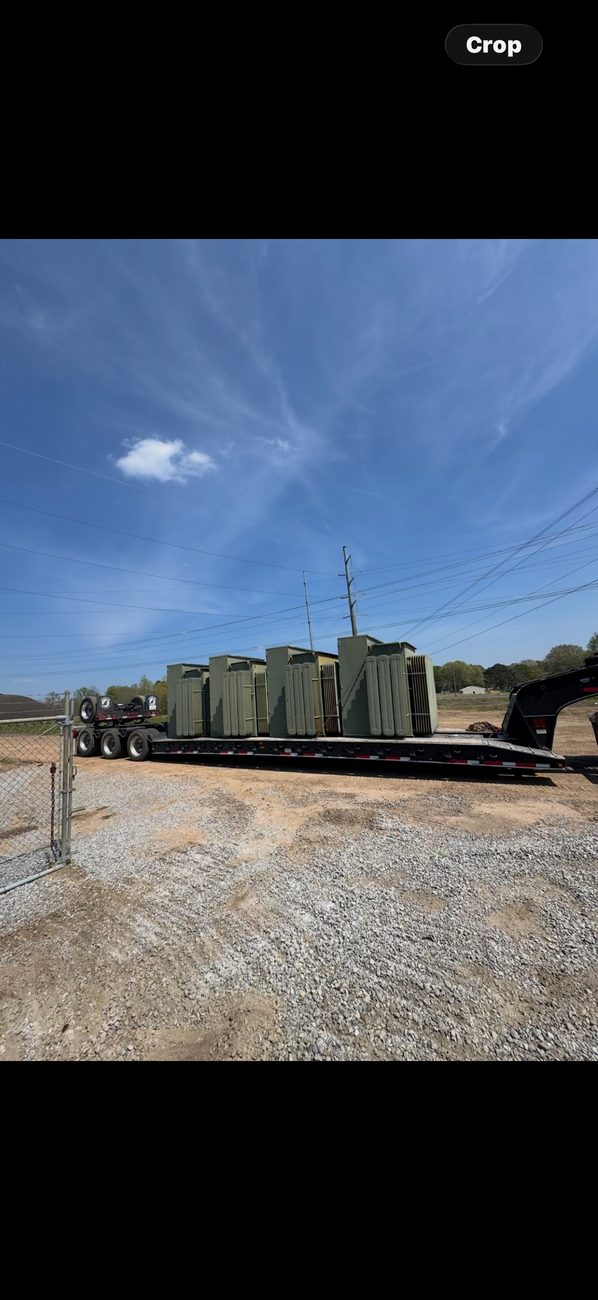
Switchgear assemblies house switching and protective devices used to control and isolate electrical circuits. They are separate from transformers, although both may be part of a substation or facility power system.
What matters when you sell
Provide the lineup's manufacturer, voltage and current ratings, breaker types and a one-line diagram if available. Identify missing components, service history and the number and dimensions of sections; qualified personnel should manage electrical isolation and any regulated materials.
Practical considerations for this equipment
Switchgear is appraised as a coordinated assembly of sections and devices, not as a transformer with a different enclosure. Existing drawings can identify incoming and outgoing sections, bus configuration, protective relays and whether a lineup was designed to be separated for transport. Ask whether removable breakers, control-power equipment, interconnections and spares are included, and distinguish missing devices from compartments intentionally left unused. Previous expansion, water exposure or relay modifications may affect the assessment even when the cabinets look complete. For indoor lineups, a buyer also needs the intended release sequence and building access constraints. Qualified electrical and environmental personnel establish safe isolation and any material-specific requirements; sellers should not open energized or damaged compartments for photographs.
Start a quote for switchgear
To discuss this equipment type, send the information you already have, including nameplate voltage, current and fault ratings; breaker and protection device details; one-line drawing and section count where relevant. Describe the equipment location, quantity and known condition. We review the individual items, discuss a possible cash offer and cover freight for accepted equipment. Qualified personnel must determine safe electrical and environmental release.